
Social Security disability recipients will see an increase in benefit levels for 2021, although the rise will be the smallest in years due to the economic downturn caused by the COVID-19 pandemic.
On October 13, the Social Security Administration (SSA) announced that Social Security benefit levels will increase by just 1.3 percent in 2021, compared with 1.6 percent in 2020 and 2.8 percent in 2019.
“They’ve never been this low for this long a period in the history of Social Security,” Mary Johnson, Social Security policy analyst for The Senior Citizens League, told CNBC.
For recipients of Supplemental Security Income (SSI), Social Security’s primary disability benefits program for low-income people, monthly benefits will edge up from $783 to $794 for individuals, or from $1,175 to $1,191 for couples. (Some states provide an additional supplement for SSI recipients. Specific state-level supplements can be viewed here.)
For recipients of Social Security Disability Insurance (SSDI), Social Security’s primary disability benefits program for people with longer work histories, average monthly benefits will increase from $1,261 to $1,277.
Each year, the SSA calculates a cost-of-living allowance (COLA) to compensate for the effect of inflation. The method the SSA uses to determine the COLA is widely opposed by disability rights advocates, who argue that it is a poor measure of the spending patterns of Social Security recipients, who tend to spend more on medical appointments, prescriptions, and other essential needs that have higher inflation rates than the rest of the economy.
The day after the 2021 increase was announced, two House members introduced legislation to raise next year’s COLA to 3 precent.
“This absolutely anemic COLA won’t even come close to helping [recipients] afford even their everyday expenses, let alone those exacerbated by COVID-19,” Peter DeFazio (D-Ore.) wrote in a news release.
The annual SSA COLA affects more than just benefit levels. As one example, SSI and SSDI eligibility is contingent on recipients no longer being able to adequately compete in the workforce, or perform substantial gainful activity (SGA). To determine whether a person can perform SGA, they must not be able to achieve a specified monthly income. This SGA threshold will increase from $1,260 to $1,310 per month in 2021.
Similarly, students receiving SSI can have a certain amount of money excluded without losing eligibility for the program. This threshold will increase in 2021 from $1,900 to $1,930 monthly, or $7,670 to $7,770 for the entire year.
The SSA COLA also raises premiums for Medicare Part B, which covers most regular doctor visits (Medicare Part A covers most hospital stays and related services). However, under a short-term spending bill approved by Congress on September 30, the increase in Medicare Part B premiums will be limited to a quarter of the rise based on the COLA, projected to go from $144.60 to $153.30.
Click here to read an SSA fact sheet on the upcoming changes for 2021.
Should you have any questions about Social Security Disability benefits, special needs planning or estate planning in general, contact the attorneys at Elville and Associates for a free initial consultation to discuss your situation so we can create a solution for your needs. Or, you may always reach out to Community Relations Director Jeff Stauffer at jeff@elvilleassociates.com, or at 443-393-7696 x117.
#elvilleeducation

With a push by the Democratic party to return federal estate taxes to their historic norms, taxpayers need to act now before Congress passes legislation that could adversely impact their estates. Currently, the federal estate and gift tax exemption is set at $11.58 million per taxpayer. Assets included in a decedent’s estate that exceed the decedent’s remaining exemption available at death are taxed at a federal rate of 40 percent (with some states adding an additional state estate tax). However, each asset included in the decedent’s estate receives an income tax basis adjustment so that the asset’s basis equals its fair market value on the date of the decedent’s death. Thus, beneficiaries realize capital gain upon the subsequent sale of an asset only to the extent of the asset’s appreciation since the decedent’s death.
A political party change in Washington could mean not only lower estate and gift tax exemption amounts, but also the end of the longtime taxpayer benefit of stepped-up basis at death. To avoid the negative impact of these potential changes, there are a few wealth transfer strategies it would be prudent to consider before the year-end.
If you feel that potential changes in legislation will negatively impact your wealth, we strongly encourage you to schedule a meeting with the attorneys at Elville and Associates soon. We can review your estate plan and recommend changes and improvements to protect you from potential future changes in legislation.
To schedule a meeting with one of our attorneys, please contact Legal Administrator Mary Guay Kramer at mary@elvilleassociates.com, or 443-741-3635.
Do-it-Yourself Estate Plans: Hazards to Avoid

Do-it-yourself estate plans, wills, and other legal documents are available across the Internet. Such products are tempting and seemingly convenient, but using them could create serious and expensive legal problems for your heirs.
Online do-it-yourself estate plans may appear to offer a cost-effective and easy alternative to visiting a qualified estate planning attorney or elder law attorney. But are the risks worth the convenience and anticipated savings?
Assessing Your Estate Planning Needs
The complexity of your estate is not always determined by the amount of wealth you have. Below are a few questions to ask yourself when determining the complexity of your estate. If the answer to all of these questions is “no,” a do-it-yourself estate plan may be adequate for you.
1. Do I own real estate?
2. Do I own property of value, such as jewelry, vehicles, equipment, livestock, etc.
3. Do I own savings or investments, such as stocks, or retirement accounts?
4. How is my family structured? For example, do I have children from a previous marriage? Do I have a child with special needs?
If the answer to ANY of these questions is “yes,” you will likely need a lawyer to determine whether or not your estate planning needs are simple or more complex. If they are not simple, you should not try to create an estate plan without the help of an attorney. Additional questions to explore include the following: Do I have an estate that is taxable under state or federal law? Do I own significant amounts of tax-deferred retirement plans? Do I know how to fund a revocable trust? Is there anything about my estate that is unusual? A qualified estate planning attorney will walk you through these questions to determine the level of your estate planning needs. If you have any questions about your estate, you should seek out a professional. Learn more in our blog, Do I Have an Estate?
Do-It-Yourself Estate Planning Hazards to Avoid
The following are some examples of what can happen if you try to create an estate plan without the help of an attorney.
Online Will Never Updated
Using an online generic will, a Florida woman listed several possessions and bank accounts that she intended to go to her brother. After writing the will, the woman inherited additional money and property. However, the woman did not have a “residuary clause” in the original will to say where additional assets should go, and she never revised the will to account for this new property. After she died, her brother argued that he should be entitled to her entire estate, but her nieces argued the estate should pass intestate (i.e., under the laws of her state, as if she had died without a will). The court ruled that because the will had no residuary clause or general bequests that could include the inherited property, the property acquired after her was prepared would pass under Florida’s laws of intestacy. This meant that the brother was not the sole beneficiary. Aldrich v. Basile (Fla., No. SC11-2147, March 27, 2014)
Surviving Spouse Nearly Left Homeless by Do-It-Yourself Will
A Massachusetts man used a pre-packaged will form to leave his home to his wife and his four grown children, the product of an earlier marriage. The problem was that the will didn’t give the wife the option to remain in the house for the rest of her life. A court case ensued because the children, who possessed the majority interest in the property, could have legally forced the wife to move.
No Residuary Clause in DIY Will
A Pennsylvania man wanted his estate to go to only two of his five children. He wrote his own will, giving his pickup truck to his daughter and his summer house to his son. He also wrote in the will that he was intentionally leaving his other three children out of his will. The problem was that the man did not specify what to do with the remainder of his estate. He died leaving an estate of $217,000. While he probably intended for that money to go to the two children he didn’t disinherit, because the will had no residuary clause, the remainder of the man’s estate passed under the state law that specifies who inherits when there is no will. This meant that the estate was divided between all five children. (In Re: Estate of George Zeevering, No. 316-2012, Nov. 7, 2012)
Online Estate Plan Found Not Legally Binding
The company LegalZoom, one of the most prominent sellers of do-it-yourself wills and other estate planning documents, settled a class-action lawsuit brought by an unhappy customer in California. A niece helped her uncle prepare a will and trust using LegalZoom. The niece believed that the documents they created would be legally binding. She also believed that if they encountered any problems, the company’s customer service department would resolve them. The niece could not transfer any of her uncle’s assets into the trust because the financial institutions that held his money refused to accept the LegalZoom documents as valid. She had to hire an estate planning attorney to fix the problems. In that process, her attorney also discovered that the will LegalZoom created had not been properly witnessed. All this cost the uncle’s estate thousands of dollars. (Webster v. LegalZoom Inc., No. BC438637, Oct. 1, 2014)
The unfortunate irony is that do-it-yourself estate plans and boilerplate wills in these cases not only frustrated the decedents’ testamentary intent, but ultimately cost their estates far more than a simple consultation with an estate planning or elder law attorney would have.
The experienced attorneys here at Elville and Associates are here to guide you through your planning. Most initial consultations are complimentary to help create a roadmap for how you may want to proceed with your planning. It is our mission to create solutions to our clients’ needs through counseling, education, and the use of superior legal-technical knowledge.
Do-it-yourself wills and estate plans leave your legacy to chance. Don’t let that happen. Contact Legal Administrator Mary Guay Kramer at 443-741-3635 or at mary@elvilleassociates.com to schedule your appointment with Elville and Associates to begin your planning or, just as important, have outdated documents revisited.
Elville and Associates – Planning for Life, Planning for Legacies.
#elvilleeducation
“Planning the HEALTH in Your Retirement” with Dr. Michelle Fritsch of Retirement Wellness Strategies
After years in academia and geriatric healthcare, Dr. Michelle Fritsch started a business in late 2018 called Retirement Wellness Strategies. The website is www.retirewellness.com. This came from years of seeing people, mostly men with high demand jobs, be ‘robbed’ of their retirement dreams due to preventable health crises. Over 25 years of healthcare expertise led to creation of 16 proprietary tools enabling clients to prevent issues with physical health through current health optimization and very proactive risk management (all in collaboration with current healthcare team), physical and social health, and health in transition from career to what comes next. The end result is a strategic plan for health in retirement.
This workshop will focus on the why and how of your retirement health strategic plan.
Avoid unnecessary costs and avoidable health decline surprises
Minimize specific health risks
Assure you’re on the right meds
Avoid an early death (where your kids get all of your hard earned money!)
More Webinars from Elville and Associates
The education of clients and their families through counseling and superior legal-technical knowledge is the mission of Elville and Associates. We hold multiple educational events every month. Click to view our calendar of educational webinars and events or visit the Elville and Associates YouTube channel to view recordings of our past webinars.
As you know COVID-19 has affected us all in many ways, and one significant way it has had impact is on our mental health.
This workshop gives you the latest statistics on mental health and how is has changed with this pandemic, as well as some things to consider, strategies to help and resources for your toolbox.
Presenting is Ms. Ellen S. Platt, MEd, CRC, CCM, Founder and President of The Option Group, which provides unique services to older adults and their children or caregivers to navigate longevity. She is both a Certified Rehabilitation Counselor and a certified Professional Geriatric/LifeCare Manager.
Ellen’s experience spans almost 30 years providing care management and case coordination services to those with catastrophic injury, chronic diseases and disabilities. Out of that experience, she created The Option Group to address similar needs and services specifically for seniors and their caregivers. Her primary practice is now focused on caregivers and aging families, and the large variety of issues and needs, unique to that population.
Ellen and her team conduct comprehensive evaluations, make recommendations, implement a plan of care and coordinate resources to support it. Ongoing monitoring can also be set up so the most appropriate plan of care can be implemented at all times, and changes can be made, should the condition of the senior change.
More Webinars from Elville and Associates
The education of clients and their families through counseling and superior legal-technical knowledge is the mission of Elville and Associates. We hold multiple educational events every month. Click to view our calendar of educational webinars and events or visit the Elville and Associates YouTube channel to view recordings of our past webinars.
More Webinars from Elville and Associates
The education of clients and their families through counseling and superior legal-technical knowledge is the mission of Elville and Associates. We hold multiple educational events every month. Click to view our calendar of educational webinars and events or visit the Elville and Associates YouTube channel to view recordings of our past webinars.

The 2020 election is almost upon us. The recent past has taught us that trying to predict the results of an election can be futile at best. Still, our clients need timely counsel regarding their wealth management, and it is our role as advisors to keep them as informed as possible when it comes to potential tax changes on the horizon. While we do not know for sure what the future holds, we do have strong clues as to what the future tax laws may look like if the balance of power shifts in 2021 from Republican to Democratic hands.
Much of what we know about the potential tax landscape under a Democratic majority has been pieced together from reviewing campaign speeches and debates, observing interviews with candidates, and poring over drafted legislation that is just waiting to be dusted off and introduced into Congress for passage.
It is important to note that the chances of these changes being implemented in the near future is not limited to what happens in the November elections. Some commentators suggest that even under a continued Republican-controlled government, many of the changes discussed below could be implemented as the nation grapples with the economic pressures stemming from the coronavirus pandemic of 2020.
Proposed Policy Adjustments under a Democratic Presidency
Some of the key proposals most relevant to estate and tax planning include adjustments to estate, gift, and income taxation laws.
Estate, Gift, and Generation-Skipping Transfer (GST) Taxes
In 2020, the estate and gift tax exemption is set at $11.58 million (indexed for inflation), with any wealth over that amount taxed at a 40 percent rate as it passes to heirs. This exemption amount is scheduled to be lowered to $5 million (also indexed for inflation) on December 31, 2025, unless new legislation is passed before then.
Presidential candidate Biden has suggested that he would support legislation to reduce both the estate and GST tax exemptions to $3.5 million per individual and would lower the lifetime gift tax exemption to $1 million.
In addition to reduced transfer tax exemption amounts, a number of Democratic tax reform proposals have discussed returning estate tax rates to historic norms. What does that mean? In the 1940s, the top estate tax rate was 77 percent, and under 2001 federal tax law, it was as high as 45–55 percent. It therefore seems likely that we could see an upward adjustment in the transfer tax rates.
Capital Gains Taxes
Our current law taxes capital gains as regular income if those gains are realized on property held for less than one year. For long-term capital gains (gains on property held for a year or longer), there is a graduated tax rate depending upon the tax filer’s income level (0 percent, 15 percent, or 20 percent). For individuals and couples who earn more than $200,000 and $250,000 per year respectively in net investment income, there is an additional 3.8 percent surtax added to their capital gains tax rate.
In addition, the current law allows for a step-up in basis to the date-of-death value on appreciated property transferred after the owner dies. This allows for selling or liquidating inherited property shortly after the death of an individual with little to no capital gains taxes assessed on the sale of the property.
Today’s law also allows for like-kind exchanges on appreciated property such as artwork and rental properties. These laws allow people to reinvest the gains that they earn on appreciated property into similar types of property without ever having to pay capital gains taxes when sold. If the individual keeps making such like-kind exchanges on appreciated property until the individual’s death, the capital gains accumulated in that property will be erased by the basis step-up rules.
Presidential candidate Biden has proposed changes that would either (1) limit the step-up basis rule for inherited property and impose a carryover basis rule for inherited property or (2) impose recognition of gain on property at the owner’s death. Additionally, the Democratic tax plan proposes eliminating like-kind exchanges as well as imposing a 39.6 percent long-term capital gains tax rate on individuals earning more than $1 million per year. If the law leaves the 3.8 percent surtax on net investment income in place, the effective top federal tax rate on long-term capital gains could reach over 43 percent.
If these changes are implemented along with the changes to the estate tax exemptions and rates, many estates could see significant tax bills at the estate owner’s death.
How Can You Help Your Clients Prepare?
There are a number of possible estate planning strategies that you should discuss with your clients as soon as possible so they do not get caught by surprise should the election usher in the above changes. Here are four strategies for consideration:
1. Grantor Retained Annuity Trust: A properly structured grantor retained annuity trust (GRAT) allows your client to transfer more property to beneficiaries at a lower gift tax value than if the client were to make gifts outright to those same beneficiaries. GRATs are excellent estate planning techniques that are still available today. However, it is important to note that a number of Democratic tax law proposals have identified the use of multiple short-term GRATs as a tax loophole that needs to be curtailed. Thus, the window of opportunity for using a GRAT to transfer large amounts of wealth at a significant discount may be closing soon.
2. Installment Sale to an Intentionally Defective Grantor Trust: This technique allows the client to sell appreciating property such as real estate or even a family business (such as a family limited partnership) to a carefully drafted trust in return for an installment note using the currently low applicable federal interest rate. Cash should also be transferred into the trust (a taxable gift) so that the trustee has cash with which to make payments on the installment note (usually 10–15 percent of the property’s fair market value) in order to avoid an argument from the Internal Revenue Service that the sale is actually a gift. The installment note can be structured as an interest-only note with a balloon payment at the end of the loan term or even as a self-canceling installment note. Property in the trust must obtain a rate of return or growth in excess of the interest rate for this strategy to succeed. In a low interest rate environment like today, there is a much greater chance of obtaining that favorable result.
This strategy requires that your client be prepared to pay income tax on the income generated by the trust property. However, this feature allows for even more indirect and tax-efficient wealth transfer. At the end of the loan term, income and appreciation exceeding the required note payments pass to the trust beneficiaries, free of gift, estate, and GST tax (if designed to do so). This planning tool works well for clients with income-generating real property or business interests that are expected to appreciate.
3. Spousal Lifetime Access Trust: The spousal lifetime access trust (SLAT) strategy requires the client to make a gift of property into an irrevocable trust for the benefit of the client’s spouse (as a beneficiary of the trust) and other beneficiaries (children or grandchildren). The trust names an independent trustee who has discretion to make distributions among the various beneficiaries. The transfer to the trust is intentionally designed to not qualify for the unlimited marital deduction. This allows for fuller utilization of the gifting spouse’s estate exemption and shields the appreciation on the transferred property from future gift and estate tax.
This strategy is designed to take advantage of the current high exemption amounts. A SLAT is a grantor trust for income tax purposes (the trust will not pay income tax, allowing trust property to grow estate tax free during the donor’s lifetime).
Ideal clients for a SLAT strategy are happily married couples (because the SLAT is irrevocable) who own property that is expected to significantly appreciate and who can transfer such property irrevocably without jeopardizing their current standard of living. It is important to understand that there are carryover basis considerations associated with this strategy that should be carefully calculated and weighed before implementation.
4. Irrevocable Life Insurance Trust: Although the irrevocable life insurance trust (ILIT) strategy has not been utilized as much recently as in the past, it is still a highly effective one—especially in an environment where the estate and gift tax exemption amounts may be reduced significantly in the near future, putting clients in a use-it-or-lose-it scenario. This technique calls for a client to transfer property (usually cash) to an irrevocable trust. The gift can be made all in one year and may reduce the client’s gift tax exemption to some extent. However, the cash in the hands of the trustee can be used to purchase life insurance on the client which, when the policy pays out at the client’s death, passes to the trust free of income tax and then on to the trust beneficiaries outside of the client’s estate, and therefore free of estate taxes. Your client typically must have sufficient cash reserves to be able to contribute to the trust and be in good enough health to qualify for a life insurance policy.
Working Together
Even if your clients are not fully prepared to pull the trigger on any of the above strategies before the 2020 election results are known, you should nevertheless plant the seed in their minds so that when the time comes to make a decision, they will be that much more prepared to move quickly. Educating your clients about these and other valuable wealth preservation strategies has the potential to solidly embed you as an essential and trusted family advisor to multiple generations of clients.
By working together, we can help our clients navigate whatever changes these uncertain times may bring. Thoughtful estate planning can provide our clients with peace of mind while they are living and ensure that their wealth is passed on to their loved ones in the most efficient and protected manner. Contact us to discuss how we can weather these changes together.
Sincerely,

Planning for Life, Planning for Legacies
Attorneys at Law
Elville & Associates, P.C.
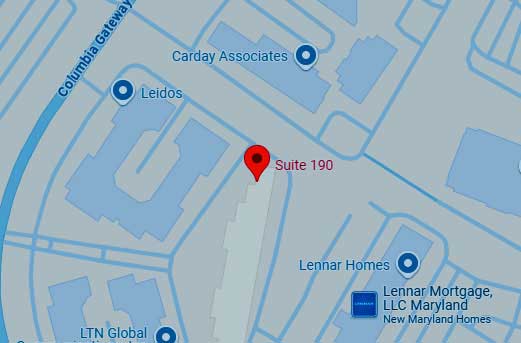
7100 Columbia Gateway Drive
Suite 190
Columbia, Maryland 21046
P: 443-393-7696 (Main)
F: 443-393-7697 (facsimile)
E: steve@elvilleassociates.com
Webinar — Which Form of Business Entity Is Best for You?, with Chuck Borek, J.D., MBA, CPA
More Webinars from Elville and Associates
The education of clients and their families through counseling and superior legal-technical knowledge is the mission of Elville and Associates. We hold multiple educational events every month. Click to view our calendar of educational webinars and events or visit the Elville and Associates YouTube channel to view recordings of our past webinars.

A controversial policy that reduces the benefits of military spouses is on the way out. The so-called military “widow’s tax” cuts assistance to surviving military spouses who qualify for benefits under two different military benefit programs.
The two programs are:
- The Department of Defense’s Survivor Benefit Plan (SBP), which allows a military retiree to contribute part of their benefit to ensure that family members receive an annuity of up to 55 percent of their retirement pay when they die.
- The Department of Veterans Affairs’ Dependency and Indemnity Compensation (DIC), which awards around $15,000 a year to survivors of veterans or troops who die of service-related causes.
Under the current policy, even though SBP and DIC are different programs paid for by different federal agencies, spouses who are eligible for both benefits have their SBP payments offset by the DIC money the spouse receives. An estimated 65,000 families are affected by the offset, costing them thousands of dollars in benefits. Military families have been fighting to eliminate the widow’s tax for years, but have not had success until now.
Signed into law in December 2019, the bipartisan FY20 National Defense Authorization Act eliminates the widow’s tax in phases beginning in 2021. SBP recipients will receive one-third of the DIC offset amount in 2021 and two-thirds in 2022. In 2023, spouses can receive both benefits in full.
For more information about the change, click here.
If you are a veteran or surviving spouse and have questions related to planning, including the VA Aid & Attendance pension, contact our office and ask to speak to Principal and VA-accredited attorney Lindsay V.R. Moss at lindsay@elvilleassociates.com, or at 443-393-7696. We thank you for your service and look forward to being a resource to you.
#elvilleeducation
More Webinars from Elville and Associates
The education of clients and their families through counseling and superior legal-technical knowledge is the mission of Elville and Associates. We hold multiple educational events every month. Click to view our calendar of educational webinars and events or visit the Elville and Associates YouTube channel to view recordings of our past webinars.
Connect with us


- March 2026
- February 2026
- January 2026
- December 2025
- November 2025
- October 2025
- September 2025
- August 2025
- July 2025
- June 2025
- May 2025
- April 2025
- March 2025
- February 2025
- January 2025
- September 2024
- August 2024
- July 2024
- May 2024
- April 2024
- March 2024
- February 2024
- January 2024
- December 2023
- November 2023
- October 2023
- September 2023
- August 2023
- July 2023
- June 2023
- May 2023
- March 2023
- February 2023
- January 2023
- December 2022
- November 2022
- October 2022
- September 2022
- August 2022
- July 2022
- June 2022
- May 2022
- April 2022
- March 2022
- February 2022
- January 2022
- December 2021
- November 2021
- October 2021
- September 2021
- August 2021
- July 2021
- June 2021
- May 2021
- April 2021
- March 2021
- February 2021
- January 2021
- December 2020
- November 2020
- October 2020
- September 2020
- August 2020
- July 2020
- June 2020
- May 2020
- April 2020
- March 2020
- February 2020
- January 2020
- December 2019
- November 2019
- October 2019
- September 2019
- August 2019
- July 2019
- June 2019
- May 2019
- April 2019
- February 2019
- November 2018
- May 2018
- April 2018
- January 2018
- June 2017
- March 2017
- December 2016
- November 2016
- September 2016
- August 2016
- July 2016
- June 2016
- May 2016
- April 2016
- March 2016
- February 2016
- January 2016
- December 2015
- November 2015
- October 2015
- September 2015
- August 2015
- June 2015
- May 2015