A proposed tax on the net worth of California billionaires is sending shockwaves across the country. The controversial state law introduced on October 21, 2025, would impose a one-time, five percent tax during the lifetime of its residents. This type of tax on an individual’s “net worth” is similar to an estate tax, which taxes a decedent’s estate at death, and should now be part of estate planning and asset protection conversations in Maryland, the District of Columbia, and beyond.

What Is the California Billionaire Tax?
Initially, the law was proposed by a healthcare justice union as a way to pay for healthcare costs for the state’s low-income residents who will lose Medicaid coverage in the wake of federal funding cuts in the One Big Beautiful Bill Act (“OBBBA”); one estimate suggests the tax could generate $100 billion in revenue over five years. Supporters of the proposal argue that it is unfair that many billionaires shield their primary assets – such as corporate stock, investments, and real estate – from being taxed during life and at death. Proponents believe the tax is fair because billionaires benefited the most from OBBBA. The proposal will be on November’s ballot if enough residents sign the initiative.
Read the rest of this entry »At Elville and Associates, delivering consistent, high-quality service to our clients depends on strong leadership and coordination behind the scenes.
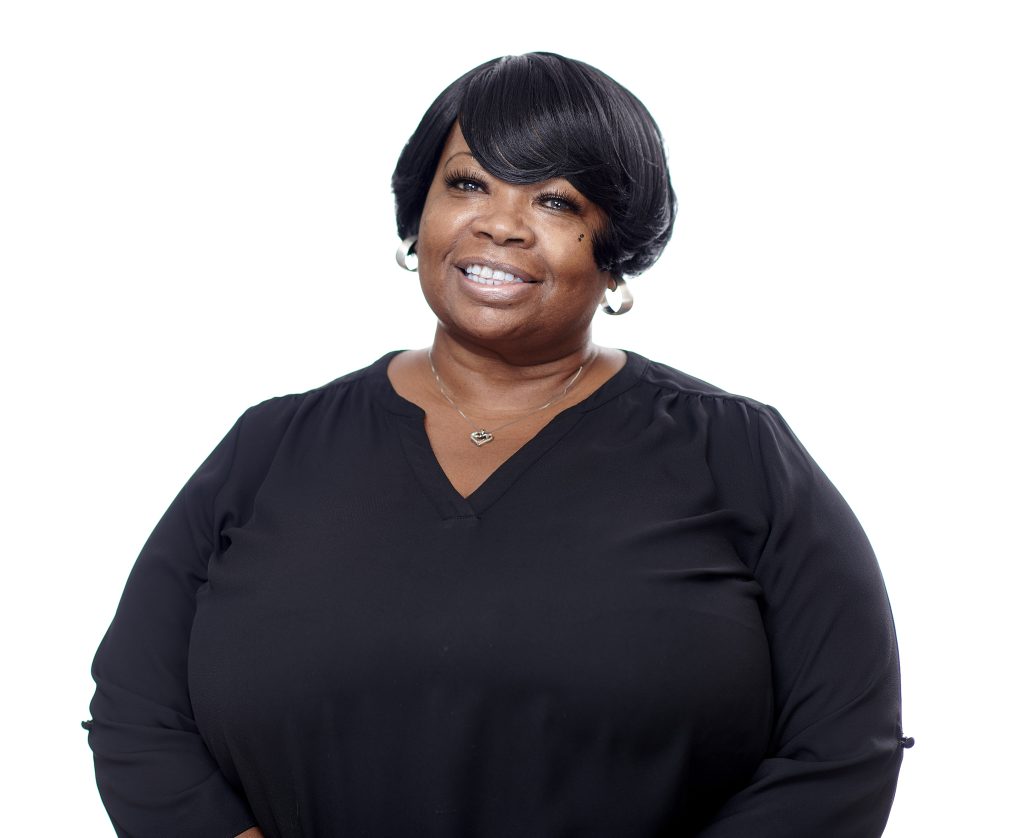
We are proud to announce that Vonda Dubard has been promoted to Practice Group Manager at Elville and Associates.
In this role, Vonda helps lead and coordinate the firm’s core practice groups—ensuring attorneys and staff work seamlessly together, workflows are efficient, and every client receives thoughtful, organized estate planning and elder law services. Practice groups play a critical role in supporting complex planning, maintaining quality standards, and guiding matters smoothly from start to finish.
Vonda’s deep knowledge of the firm, steady leadership, and commitment to exceptional client service make her exceptionally well suited for this position. Her promotion reflects both her professional skill and the trust she has earned from colleagues and clients alike.
Please join us in congratulating Vonda on this well-deserved achievement!
A life estate can be a useful planning tool for some Maryland families who want to protect a home, avoid probate, and plan ahead for the future. At the same time, life estates create permanent legal and financial consequences that are often misunderstood. Knowing when a life estate works well and when it creates long-term problems is essential before moving forward.
This article explains how life estates function in Maryland, common risks families encounter, how life estates interact with Medicaid planning, and alternatives that may offer greater flexibility.

What Is a Life Estate?
A life estate allows more than one person to hold ownership interests in the same property at different times. In Maryland, this typically allows a parent to live in and control a home for life while naming children or other individuals to receive the property automatically after death.
The person living in the home is called the life tenant. The individuals who will receive the property later are known as remaindermen. While remaindermen cannot take possession during the life tenant’s lifetime, they hold a present ownership interest in the property.
Life estate deeds are often used to avoid probate, support long-term planning goals, and simplify the transfer of a home. These benefits must be balanced against the legal limitations created by the deed.
Read the rest of this entry »
A life estate can be a helpful tool for Maryland families looking to protect their homes, avoid probate, and plan for Medicaid. It is important to understand the risks involved. This article explains common life estate issues and why careful legal planning matters before deciding if this approach fits your situation.
What Is a Life Estate?
A life estate allows multiple people to hold interests in the same property at different times. In Maryland, this often means a parent keeps possession and use of their home while ensuring it passes to their children without going through probate.
By creating a life estate deed, families may avoid probate, reduce Medicaid exposure, and receive a step up in tax basis.
The person living in the home is known as the life tenant and retains control during their lifetime. The individuals who inherit the property are the remaindermen. Although they cannot take possession until the life tenant passes away, they hold a current ownership interest.
Read the rest of this entry »There are many types of trusts that can protect your estate, but choosing the right trust for your needs requires experience and extensive knowledge of the law, related tax issues, and more. Talk to a trusts and estates lawyer here in Columbia, MD to get details on all the trust options and decide what will work best with your goals.

From a Trusts and Estates Lawyer in Columbia, MD: Meeting Your Goals With Revocable and Irrevocable Trusts
A revocable trust is often the best choice if you want to keep full control of your assets and are just looking for a simple way to avoid probate and ensure that things smoothly transfer upon your death. You can make updates to this trust as your life circumstances change. These trusts are particularly useful if flexibility is one of your primary goals.
Read the rest of this entry »Families often take comfort in knowing that a Special Needs Trust is in place. It represents foresight, care, and a long-term commitment to protecting a loved one with disabilities. What many families do not realize is that creating the trust is only the first step. Over time, changes in law, finances, benefits programs, and family circumstances can quietly undermine even a well-drafted trust if it is not reviewed and updated.
Understanding when a Special Needs Trust should be revisited can help ensure it continues to do what it was designed to do: preserve benefits, provide supplemental support, and protect your loved one’s quality of life.

Authored by: Jeffrey D. Stauffer – Community Relations Director

It was announced on Friday, December 19th that Managing Principal Stephen Elville, Principal Attorneys Shannon Goodwin and Shannon Ladner, and Associate Attorney Sara von Stein Echeverria were honored on the 2026 Maryland Super Lawyers and Rising Stars Lists.
Read the rest of this entry »
Most people think about passing down a home, savings, or family heirlooms when they plan their estate. What many families overlook is something just as important. Your digital life. Everything from online bank accounts and cryptocurrency to photos stored in the cloud represents real assets with both financial and emotional value. Without a clear plan, family members can struggle to access or manage these accounts, and in some cases, they may lose them entirely.
This is why digital asset planning has become a key part of modern estate planning. Understanding what happens to digital assets after death will help you organize your accounts, protect your information, and make things much easier for your loved ones.
What Counts as a Digital Asset
A digital asset is anything you own or control in digital form. This category is much wider than most people realize. It includes:
-
Email accounts
-
Online bank and investment accounts
-
Cryptocurrency and digital wallets
-
Social media profiles
-
Cloud storage with photos, videos, and documents
-
Online businesses, websites, or domain names
-
Loyalty and rewards accounts
-
Subscription services
-
Digital content such as music, ebooks, or purchased apps
Each of these assets may require a separate process for access or transfer, and not all companies allow family members to manage accounts unless you have planned in advance.
What Happens to Digital Assets Without a Plan
If you pass away without leaving clear instructions, your heirs may run into several challenges. Passwords are usually the biggest roadblock. Even if a family member knows your login information, many companies prohibit unauthorized access. This can lead to frozen accounts, lost digital property, or months of delay while families try to work with customer service departments.
Social media accounts may stay active indefinitely unless a designated person is allowed to memorialize or remove them. Cryptocurrency can be lost forever if no one can reach the private keys. Cloud photos and important documents may disappear once subscription payments stop.
These problems are common, and they create unnecessary stress during an already difficult time.
How to Prepare Your Digital Estate
The good news is that a few simple steps can bring clarity and control to your digital life.
1. Make a Full Inventory
List all of your digital accounts and assets. Include login instructions, security questions, and notes about how each account is used.
2. Store Your Information Securely
Use a password manager or a secure location that your executor or trustee can access. Never rely on sticky notes or scattered documents that can be lost or misinterpreted.
3. Name a Digital Executor
Some states recognize a digital executor. This person can manage your online accounts, close or transfer digital property, and follow your instructions.
4. Add Digital Provisions to Your Estate Plan
Wills and trusts can include language that authorizes someone to access your digital accounts. Without this language, companies may refuse to release information, even to the personal representative of your estate.
5. Use Built In Legacy Tools
Platforms like Google, Apple, and Facebook allow you to choose who can access your account or data after your passing. This adds an extra layer of protection and helps ensure your wishes are followed.
Start Planning Your Digital Legacy Today
Digital assets are now a meaningful part of everyday life. Taking time to organize and plan for them can prevent confusion, protect your privacy, and help your loved ones handle your affairs with confidence.
If you would like help building a thoughtful and comprehensive estate plan that includes your digital life, the team at Elville and Associates is here to guide you. Contact us online to schedule a conversation.
How Can I Prevent Family Disputes Over My Estate?

It’s painful to imagine your loved ones getting into a dispute over your estate, but unfortunately it’s fairly common. The best way to prevent such a dispute is with thorough estate planning and the help of an Columbia, MD estate attorney.
From an Columbia, MD Estate Attorney: Avoiding Disputes
The Biggest Culprits
What causes families to get into disputes? The first culprit is a vague will or trust. If it’s not completely clear what you want, how your bequests are laid out, or if your will or the trust leaves out some important assets, there is a lot of room for dispute.
Read the rest of this entry »
When you set up a trust, you’re expecting that the terms will be upheld and your assets will be distributed precisely according to your wishes. However, there are situations where heirs can bring contests to challenge the terms of a trust, and working with a Rockville, MD estate lawyer is the best way to ensure that won’t happen.
Read the rest of this entry »Connect with us


- January 2026
- December 2025
- November 2025
- October 2025
- September 2025
- August 2025
- July 2025
- June 2025
- May 2025
- April 2025
- March 2025
- February 2025
- January 2025
- September 2024
- August 2024
- July 2024
- May 2024
- April 2024
- March 2024
- February 2024
- January 2024
- December 2023
- November 2023
- October 2023
- September 2023
- August 2023
- July 2023
- June 2023
- May 2023
- March 2023
- February 2023
- January 2023
- December 2022
- November 2022
- October 2022
- September 2022
- August 2022
- July 2022
- June 2022
- May 2022
- April 2022
- March 2022
- February 2022
- January 2022
- December 2021
- November 2021
- October 2021
- September 2021
- August 2021
- July 2021
- June 2021
- May 2021
- April 2021
- March 2021
- February 2021
- January 2021
- December 2020
- November 2020
- October 2020
- September 2020
- August 2020
- July 2020
- June 2020
- May 2020
- April 2020
- March 2020
- February 2020
- January 2020
- December 2019
- November 2019
- October 2019
- September 2019
- August 2019
- July 2019
- June 2019
- May 2019
- April 2019
- February 2019
- November 2018
- May 2018
- April 2018
- January 2018
- June 2017
- March 2017
- December 2016
- November 2016
- September 2016
- August 2016
- July 2016
- June 2016
- May 2016
- April 2016
- March 2016
- February 2016
- January 2016
- December 2015
- November 2015
- October 2015
- September 2015
- August 2015
- June 2015
- May 2015