Planning for a Loved One With Special Needs:

Shannon F. Ladner, J.D. – Principal Elville and Associates, P.C
Successful estate planning takes into account not only your personal preferences for who will inherit your wealth upon your death, but also the potential effects that inheritance may have on a beneficiary. The most common scenario in which this is significant is when an intended beneficiary has special needs. In this scenario, a third-party supplemental needs trust may be required to protect the beneficiary as well as the inheritance.
A third-party supplemental needs trust is an estate planning tool utilized to provide financial support to individuals with special needs without disrupting their eligibility for needs-based government benefits such as Social Security Income and Medicaid. A “third-party” supplemental needs trust is funded with assets owned by someone other than the beneficiary, such as a parent, grandparent, or other family members. It allows family members and friends to leave an inheritance or gifts to a loved one with special needs without disrupting their eligibility for means-tested government benefits. Since the assets are held in this type of trust and managed by a trustee, they will not count as a resource for Social Security Income and Medicaid eligibility purposes.
One of the traditional objectives of a third-party supplemental needs trust is to enhance the quality of life and provide for the needs of an individual with special needs beyond what government benefits cover. The assets within the trust can be used to pay for the disabled individual’s supplemental needs, including personal care services, dental expenses, transportation, recreational activities, vacations, and many other needs and services that are not provided by public benefits.
Furthermore, a third-party supplemental needs trust provides a level of asset protection and management that is not possible through a direct bequest. By appointing an appropriate trustee to oversee the supplemental needs trust, you can ensure that the trust assets are being used appropriately and in the best interest of the disabled beneficiary. Trustees have a fiduciary duty to manage the trust prudently and in accordance with the trust agreement, which in turn gives the grantor peace of mind. One should carefully consider who will be named as trustee, selecting someone who is trustworthy, reliable, and capable of fulfilling their fiduciary duties.
Additionally, a third-party supplemental needs trust allows for flexibility in customizing the trust terms to the specific needs and circumstances of the beneficiary. The trust agreement can specify how the funds should be utilized, provide instructions for the trustee, include a designated advisory team, allow the trustee the option of hiring a care manager, and include provisions for contingent beneficiaries in the event of the lifetime beneficiary’s death. This enables families to tailor the trust to meet their specific goals and intentions.
A third-party supplemental needs trust is a valuable estate planning tool for families looking to properly plan and provide for loved ones with disabilities while preserving their eligibility for public benefits. By utilizing this type of planning structure, families can preserve eligibility for means-tested benefits, provide asset protection, ensure proper management of trust assets, and customize provisions to meet the specific needs of the disabled beneficiary. It’s important that you consult with an estate planning attorney who understands the intricacies of special needs planning and has the capability to draft a third-party supplemental needs trust that complies with state laws and regulations. With proper planning, education, and guidance from a knowledgeable estate planning attorney, you will be able to provide financial support and security for your loved one with special needs.
Shannon F. Ladner, J.D., is a Principal Attorney with Elville and Associates and is the Leader of the firm’s busy Estate Planning Department. She educates and counsels clients through the entire estate planning process – beginning with the initial consultation, followed by the design and implementation of their plans, as well as the necessary maintenance and updating of their planning as changes occur in the laws and their lives. Shannon is a contributor and presenter for the firm’s Elville Webinar Series and has been named to the Maryland Rising Stars List by Super Lawyers in 2023, 2024, and 2025. Shannon may be reached at shannon@elvilleassociates.com, or by phone at 443-393-7696 x148.

We are fortunate to have a representative democracy here in the United States. And a fundamental aspect of a representative democracy is the right to vote, shared by all eligible citizens, including older adults, whether or not they have full cognitive abilities or disabilities.
Among the population of eligible voters are individuals with cognitive impairments who may face unique challenges when participating in elections. Cognitive impairments are more common among our senior population. According to AARP, nearly a third of Americans 65 and older have some form of cognitive impairment, including 10 percent with some type of dementia.
Signs of cognitive impairment include memory loss and trouble concentrating, following instructions, understanding, remembering, and solving problems. These issues can make it more challenging to vote in elections. However, they generally do not make it impossible to vote and they should not be a cause to exclude a person from voting in elections. For example, medical conditions such as mild cognitive impairment or dementia, including Alzheimer’s disease, do not preclude someone from voting.
To ensure every eligible voter has the opportunity to vote, laws are in place to protect these rights.
Laws That Protect the Right to Vote
The federal government has enacted various laws over time that seek to protect the voting rights of Americans. These laws include the following:
- Americans with Disabilities Act: The Americans With Disabilities Act (ADA) is a federal civil rights law that protects people with disabilities. In part, it requires that public entities ensure that individuals with disabilities have an equal opportunity to vote as those without disabilities. This includes all aspects of the voting process, such as voter registration, voting site selection, election websites, and the casting of ballots. The ADA applies to all elections run by state and local governments, including federal, state, and local elections.
- Voting Rights Act: Under the Voting Rights Act (VRA) of 1965, an individual with a disability such as a cognitive impairment may receive help while voting from a person of their choice. This law prohibits conditioning a citizen’s right to vote on their ability to read or write, their level of education, or their ability to pass an interpretation test.
- Voting Accessibility for the Elderly and Handicapped Act: According to the Voting Accessibility for the Elderly and Handicapped Act (VAEHA), passed in 1984, polling places must make federal elections accessible to senior voters and voters with disabilities. If no accessible location is available, voters must have a different way of voting on Election Day.
- National Voter Registration Act: All offices that provide public assistance or state-funded programs primarily serving people with disabilities must also give them the opportunity to register to vote in federal elections. This is part of the mandate outlined in the National Voter Registration Act (NVRA) of 1993.
- Help America Vote Act: The Help America Vote Act (HAVA), passed in 2002, requires jurisdictions that administer federal elections to provide at least one accessible voting system for adults with disabilities at each polling location. The voting system must offer the same opportunity for access, participation, and privacy as that of other voters.
Assistance With Voting
Federal laws require that polling places be accessible to individuals with disabilities. This includes providing accessible voting machines and ensuring that the physical location is accessible. States and local jurisdictions are responsible for implementing these requirements.
Cognitively impaired individuals who need help voting can receive assistance in several ways:
- Polling Place Assistance: Voters can bring someone to assist them at the polling place. This person can be a family member, trusted friend, or another individual of the voter’s choosing. Election officials can also provide assistance if needed. The American Bar Association has produced a guide to help election officials when assisting cognitively impaired voters.
- Mail-In and Absentee Voting: Voters with cognitive impairments can use mail-in or absentee voting options. They can receive help in filling out their ballots, but they must follow specific rules to ensure the integrity of the vote. See whether your state will allow voting via this method.
- Curbside Voting: Some jurisdictions offer curbside voting, where election officials bring a ballot to the voter’s vehicle.
- Voting Centers and Drop Boxes: These provide additional options for voters who may have difficulty accessing traditional polling places.
Advocacy and Support
Several types of organizations advocate for the voting rights for people with cognitive impairments and disabilities and provide resources to help them vote. These include:
- Disability Rights Organizations: These organizations often have programs to educate voters with disabilities about their rights as well as the voting process.
- Election Protection Coalitions: These groups work to ensure that all eligible voters, including those with disabilities, can vote.
- Local Election Offices: They can provide information on accessible voting options and assistance available in specific areas.
Know Your Rights
Americans have the right to vote independently, with accessibility and support ensured at all polling locations. Ensure you have an equitable voting experience. Read more about the laws protecting the rights of voters with disabilities on this ADA resource page.
Learn more about your voting rights and any legal recourse you may have against disability discrimination by contacting the experienced elder law attorneys at Elville and Associates today. They can discuss your specific situation and your options with you.
For additional reading on disability legislation and voting rights, you may want to check out the following articles offered through the Academy of Special Needs Planners:
- How to Vote While in a Nursing Home
- Guardianship, Mental Incapacity, and the Right to Vote
- New State Laws Erect Barriers to Voting for People With Disabilities, Advocates Say
#elvilleeducation

Estate planning for entrepreneurs and business owners is critical. Success in business requires planning, commitment, and a strategic approach. Many new businesses take at least two or three years to turn a profit and twice as long to truly hit their stride.
If you’ve created a business, you know that success doesn’t happen overnight. But do you know what will happen to your business if something unexpected impacts you or when you decide to step away?
You will exit your business at some point. Planning for that moment now by incorporating the business into your estate plan can help to set up you and your family for a successful next chapter. Succession planning is more than contingency planning — it’s part of a growth strategy.
One-Third of Business Owners Not Ready for Succession in 2024
Entrepreneurs share certain characteristics. They tend to be motivated, creative, flexible, risk tolerant, and to have a longer time-horizon perspective than the average 9-to-5 worker.
But when it comes to estate planning for entrepreneurs and business owners, many become focused on short-term priorities associated with their day-to-day operations at the expense of planning for future succession, according to a 2024 survey from Edward Jones.
More than half of U.S. business owners are over the age of 55, and the average age at which owners plan to pass on their business is 63. As they near retirement, these entrepreneurs are priming the country for what Edward Jones calls a “business succession boom” in the coming years.
Only two-thirds of business owners, however, have prepared a business succession plan. The one-third that have yet to create a succession plan say they don’t view it as a priority, citing uncertainty about the future of the business (32 percent), uncertainty about where to start the planning process (32 percent), and an inability to identity a successor (26 percent).
What Can Happen If You Fail to Plan
Despite the uncertainty behind why some business owners don’t create a succession plan, the Edward Jones survey also reveals that most owners (88 percent) are confident their business will grow in the next 10 years. One can see why estate planning for entrepreneurs and business owners is so critical to have in place and keep updated.
With a succession plan in place, those businesses could grow even more. Harvard Business Review cites research showing that proactive succession planning can increase company valuations and investor returns by 20 percent to 25 percent.
Whether you intend to sell your business to fund retirement or pass it on to heirs as part of a lasting financial legacy, the leadership pipelines and succession practices you put in place today should be thought of as part of a broader business strategy to create continuity and value.
Roughly one-third of entrepreneurs have no retirement savings plan. Around one in five plan to sell their business to fund their retirement. But executing a sale requires years of preparation.
A three-year minimum window is recommended when selling a business to lay the groundwork for things like fine-tuning revenue streams and expenses and putting your books and management plan in order.
Your business succession plan also needs to address the unexpected. Around half of all owner exits are involuntary due to one of the five “Ds”: Death, Disability, Divorce, Distress, or Disagreement.
If your estate plan does not incorporate succession planning and you unexpectedly pass away, for example, state law could dictate that the business is split equally between your spouse and children. While they may already figure into your business succession plan, they might not — or maybe not in equal parts.
There may also be a different person, like a current business partner or key employee, to whom you plan to hand over the keys. Your plan could also entail having an unrelated professional or ownership group in charge of running the business for the benefit of your loved ones.
Planning gives you the power to choose what happens to your business when you step away — either voluntarily or involuntarily. But not having a plan can make you a bystander in your own enterprise.
Risk in Business vs. Risk in Estate Planning
Although embracing risk may have been necessary for building your business, an estate plan is better suited to doing things by the book. And failing to protect your business with a comprehensive estate plan is a risk you can’t afford to take.
An estate plan should have clear operating instructions and accompanying legal documents that foster business continuity. Your individual talents are what made the business what it is, but a business that is based too much on your personality might not be built to stand the test of time.
Managing successor personalities and expectations are a crucial part of business estate planning. If your business is family-owned, family infighting and relatives placed in the wrong roles can jeopardize the company.
According to Edward Jones, about half of named successors are family members. You may be tempted to give a loved one the benefit of the doubt, or take a chance on them, when succession planning. In the long run, though, personal favors may not be doing anyone any favors if they lead to business failures. At the very least, your chosen successor — family or otherwise — should be involved with the business prior to taking the reins.
Good communication is just as critical for a seamless succession plan as it is for a well-run business. To help set expectations and avoid surprises that could disrupt operations, communicate your plans with family and nonfamily stakeholders, explain your decision-making process, give them a chance to provide input, and get everyone working toward the same goal.
Estate Planning Documents for Your Business Succession Plan
Estate planning for entrepreneurs and business owners starts with the basics – create your will, durable power of attorney, and a health care directive. You can also place the business in a trust for estate planning purposes.
Think carefully about who you give power of attorney to, because this individual will have the authority to transact business for you if you lose capacity. They need to understand not only how to run the business in your absence, but also the connections between your personal and business finances. If your business is organized as an LLC, for instance, comingling personal and business expenses can open you up to liability.
A family member who’s currently involved in the business may be a good choice for power of attorney, but a trusted professional who can grasp your nuanced financial position and make informed, unbiased choices might be best.
Buy-sell agreements also need to be incorporated into your business estate plan. A typical buy-sell agreement takes effect at the time of an owner’s death, incapacity, or some other circumstance that requires transferring a business ownership interest. It is intended to provide a clear, orderly process for transferring business interests by identifying things like how the company’s value is determined, what events trigger the buyout, and how the buyout is funded.
Financial Advisors and Estate Planning Attorneys
In addition to an estate planning attorney, an entrepreneur should include a financial advisor in their business planning. The Edward Jones succession survey found that just 37 percent of business owners are utilizing a financial advisor as a business succession resource.
Combined financial and legal strategies may be superior for developing a succession plan. Even if a business owner has a solid succession plan, a financial advisor can help them with the specifics of implementing it.
The Importance of Tax Planning for Entrepreneurs
Tax law and planning for tax efficiencies comprise a key part of estate planning, particularly when an estate contains business interests and assets.
Charitable contributions or creating a charitable entity can reduce estate taxes and benefit your heirs. Philanthropy is also an opportunity to extend your legacy to the wider community.
Many tax-related legislative proposals are considered each year, but which laws will be enacted and how they will affect business and personal assets can be hard to predict. Tax legislation, which could be introduced under the next presidential administration and Congress in 2025, is one of the top reasons for revisiting an estate plan.
Life and Disability Insurance
Use life and disability insurance to your business advantage. Life insurance can provide your family or other named beneficiary with an income source after you die. It can also guarantee an income stream for your business, allowing your company to continue operations in your absence. Life insurance is used to fund buy-sell agreements as well.
Disability insurance provides coverage in the event of short- or long-term disability. Carry separate policies for family beneficiaries and the business. The latter should identify a key business partner or employee as a beneficiary.
Maximize Business Value With Estate Planning
The estate planning attorneys at Elville and Associates partner with tax and financial advisors to help business owners plan for an expected ownership transition as well as unexpected events like business breakups and bankruptcy.
Keeping your estate plan up to date is no less important than creating an initial plan. Business plans need to be adjusted from time to time as things change, and so do business succession and estate plans.
Don’t delay your succession plan another day: Contact the experienced estate planning attorneys at Elville and Associates today to start or update your planning.
#elvilleeducation

After much anticipation, the Treasury Department and the Internal Revenue Service (IRS) have issued final regulations relating to the 10-year required minimum distribution (RMD) rule for people who inherit individual retirement account (IRA) assets.
The newly published guidelines generally reflect what the IRS proposed in 2022, but they bring clarity to several key questions about the rule, which mandates that certain retirement account beneficiaries fully distribute those accounts within a decade of the original account holder’s death.
Regulators have confirmed that most beneficiaries must continue to take RMDs for IRA assets annually throughout the 10 years and fully withdraw the account by the end of the 10th year. As with any tax law change, however, there are exceptions and nuances to the rules that can cause confusion.
Background on the New Rule
The Setting Every Community Up for Retirement Enhancement (SECURE) Act of 2019 made several significant changes related to retirement account RMDs. Additional RMD changes were made in the SECURE 2.0 Act of 2022. These changes have implications not only for account owner RMDs, but also RMDs for retirement account beneficiaries.
Prior to 2020, designated beneficiaries who inherited IRAs, 401(k)s, and other pre-tax contribution plans could withdraw the funds over the course of their lifetime. This allowed for smaller, longer distributions as well as less taxable income and more time to accumulate gains. It was the basis of the so-called “stretch IRA,” an estate planning strategy commonly used with traditional IRAs.
Congress saw this strategy as a loophole and curbed it for most non spouse beneficiaries in the SECURE Act.
Under the SECURE Act, the general rule is that funds from an inherited retirement account passed to a designated beneficiary must be distributed within 10 years of the original account holder’s death. There are several exceptions to the 10-year rule, however. It doesn’t apply to:
- A surviving spouse
- Minor children of the original account holder who have not reached the age of 21
- Someone who is disabled or chronically ill (as determined in the regulations)
- An individual who is not more than 10 years younger than the account owner
- A non-designated beneficiary, such as a charity, estate, or non-see-through trust
- Accounts inherited before 2020
The above-mentioned spouse, minor child, or disabled or chronically ill individual not more than 10 years younger than the account owner are defined as eligible designated beneficiaries, which can qualify for lifetime stretch.
However, it wasn’t clear in the original language of the law whether typical designated beneficiaries had to take RMDs over the course of 10 years or whether they could wait until the 10th year to withdraw the full amount.
The IRS issued proposed regulations in 2022 stating that beneficiaries must take RMDs in years 1 – 9 if the original account owner had died after reaching their RMD date. This caused confusion among beneficiaries who didn’t know if they had to take RMDs from an account inherited from someone who died in 2020 or 2021 — or face a penalty for not doing so.
Things got confusing enough that the IRS, in response to public comments, postponed the RMD requirement and waived any penalties for noncompliance with RMDs from inherited accounts for 2021, 2022, 2023, and 2024. With the release of its final regulations, the IRS at long last clarified the issue.
Main Takeaways from the Final IRA 10-Year Rule
Published on July 19, 2024, the final regulations run to 260 pages and explain in detail how the inherited retirement account 10-year-rule works.
The IRS states in a related release that the final regulations generally follow the proposed regulations from 2022.
Crucially, the final regulations answer one of the top questions people have been asking about the 10-year rule: Are RMDs required annually during the 10-year payout period, or does the account simply have to be fully distributed within 10 years?
The answer has two parts and depends on whether the account owner died before or after their RMD start date:
- If the original owner dies before their RMD start date, beneficiaries (who are not eligible designated beneficiaries) do not have to take annual RMDs. They can choose to wait until year 10 to withdraw the money, receive yearly distributions, or skip years, as long as the IRA is fully emptied by the end of the 10-year period.
- If the original owner died on or after their RMD start date, RMDs must be paid to the beneficiary over the 10-year period, starting the year after the owner dies. Beneficiary RMDs are required in years 1 – 9, and the rest of the account must be emptied by year 10.
Due to a series of IRS notices that waived beneficiary RMDs from 2021 to 2024, the 10-year rule does not take effect until 2025. But as noted, if the original account holder had already started RMDs, all money must be out of the account within the 10-year window, regardless of the specifics.
For example, if a designated beneficiary inherited an IRA in 2021 from somebody who had started their own RMDs, the beneficiary would not have to take RMDs in 2022, 2023, or 2024. But they would then face RMDs from 2025 to 2030, and the account would need to be empty by 2031.
Ben Henry-Moreland, a senior financial planner at Kitces.com, wrote in a LinkedIn post that there are a “TON of new rules” in the IRS guidance, but nothing that’s “game-changing from a
planning perspective.”
He added, though, that the new rules “make retirement accounts (even more) insanely complicated to deal with.”
To give one example of how the new rule makes things more complicated, spousal beneficiaries will now have three different options for how to treat their deceased spouse’s retirement account — each with its own RMD calculation and associated pros and cons.
Henry-Moreland’s colleague, Jeff Levine, called the clarified RMD regime “whacky” and singled out the “insanely complicated” beneficiary family tree that follows from the new rules.
Tax and Estate Planning Strategies for Inherited Retirement Accounts
Despite these complications, there are some taxpayer wins in the final regulations.
A “major win,” according to Levine, is that the separate account rules for inherited IRAs now apply to trusts. This means that, in practice, a single trust can be named on the account beneficiary form along with other beneficiaries, like a spouse and adult child.
As long as the trust splits immediately into sub-trusts, each sub-trust beneficiary can apply its own post-death RMD rules. So can any other beneficiaries.
Levine also describes a benefit related to see-through trusts that incentivizes rolling funds from an eligible retirement plan like a 401(k) to an IRA.
Another trust strategy that can optimize the inherited IRA 10-year rule is to name a charitable remainder trust as a beneficiary of an IRA. The trust term can be longer than the 10-year rule and allow the beneficiary to stretch the tax benefits beyond a decade. Speak to the estate planning attorneys at Elville and Associates to understand the pros and cons.
Other points to keep in mind when navigating an estate planning strategy around the new inherited IRA rules are:
- Spouse beneficiaries have the option to treat the IRA as their own. If a spouse inherits a traditional IRA, and their deceased spouse was not taking RMDs, the surviving spouse can wait until reaching their RMD age to begin making withdrawals.
- Surviving spouses have the most flexibility with allowable distributions, but eligible designated beneficiaries are also allowed to take distributions over their lifetime.
- The ability for disabled and chronically ill beneficiaries to maintain lifetime stretch (where typical beneficiaries cannot) provides an opportunity to prioritize retirement accounts to be directed to those with special needs where favorable tax treatment can be ensured.
- The RMD is based on the beneficiary’s age, so the younger they are, the smaller the annual RMD amount, although they can choose to take larger withdrawals.
- All beneficiaries have the option to make a lump sum withdrawal from an inherited retirement account.
- Irrespective of who is inheriting the IRA, the heir must take the RMD for the year the account owner died by December 31. But if there are multiple beneficiaries, the new rules allow the year-of-death RMD to be divided between the beneficiaries in any amount they want; it no longer needs to be split proportionally according to the amount each person inherits.
- Retirement account withdrawals are typically treated as taxable income, so beneficiaries should think about how much they want to withdraw each year. It might make more sense to take equal installments over 10 years, rather than taking it all out in the 10th year.
- Beneficiaries who don’t take the RMD will face a 25 percent penalty.
- Once a minor child beneficiary reaches age 21, they are subject to the 10-year rule.
- Roth IRA beneficiaries needn’t take annual RMDs over 10 years, and Roth beneficiaries are generally not taxed on distributions.
- A beneficiary can refuse all or some of the inherited assets, which then pass to the next eligible beneficiary.
Original account holders and account inheritors may want to speak with an advisor about managing distributions in a way that allows them to keep more of the proceeds and pay less in taxes. If you have questions about RMDs, how they affect you, and specific estate planning strategies for the 10-year rule, contact the estate planning attorneys at Elville and Associates. Your estate planning attorney can meet with you to discuss your situation, answer your specific questions, and provide a path forward for how you may want to approach the 10-year rule in concert with your estate planning.
#elvilleeducation

At first glance, life insurance may not seem related to the distribution of money and property in your estate plan. However, it can be an integral and important part of a well-drafted estate plan. In addition to providing a sizable sum of money to your heirs, a life insurance policy offers other benefits. These include the following:
- provides immediate cash upon death that can pay debts, final income taxes of the insured, and funeral expenses
- can pay estate taxes and avoid the forced sale of assets
- proceeds of a life insurance policy will pass to the named beneficiary free of income tax
- proceeds can be transferred to a trust as part of a will that the insured had created for the benefit of minor children, special needs, or aging relatives
- proceeds can be payable to someone other than the insured’s estate when owned by an irrevocable insurance trust (For example, the funds can pay marital settlement obligations for spousal or child support.)
- a policy can fund a buyout of the insured’s interest in a closely held business
- proceeds transfer to your loved ones outside probate, the court process of validating one’s will
Life insurance ensures your loved ones have cash funds immediately available. Often, the passing of a family member comes with unexpected expenses. Many Americans have investments such as real estate or retirement accounts like 401(k)s. However, these types of assets are not liquid.
Having liquid assets available when a family member dies can prove crucial. It allows for immediate access to cash funds for such expenses as funeral costs or outstanding debts.
Without liquid assets, loved ones may face financial strain. They may have to wait for lengthy probate processes before they can access certain other assets. This can cause unnecessary stress during an already difficult time.
Life insurance proceeds protect families from having to force the sale of homes and other investments at unfavorable tax rates. For example, you may have a home or a car that you have not paid off. If you passed away, this could leave your family with short-term liabilities requiring cash to make ongoing payments.
Understanding Estate Planning Strategies With a Life Insurance Policy
One of the more popular estate planning strategies that fit many situations is an irrevocable life insurance trust (ILIT).
An ILIT can hold a life insurance policy outside the insured person’s estate. This ensures that the proceeds are not subject to estate taxes. So, the policy helps provide financial security for your loved ones without being part of the taxable estate.
You cannot change or revoke an ILIT once you have set it up. A beneficiary or third party also can’t rescind the trust, modify, or amend it.
However, heirs gain several financial and legal advantages with an ILIT. These include asset protection, favorable tax treatment, and assurance that they will be using the proceeds in a manner concurrent with the benefactor’s wishes. Typically, life insurance policies are the chief assets held in an ILIT.
Before purchasing a life insurance policy, particularly if you are seeking to create an ILIT, it is always a good idea to speak with an estate planning and elder law attorney at Elville and Associates. They will be able to walk you through the potential income and estate tax consequences. If you have an estate large enough, it may be subject to federal and state estate taxes depending on the applicable laws in place at the time of your passing.
Ensure that your ILIT is in place before binding a life insurance policy to it. Remember that states have different laws regarding an ILIT; to avoid problems, your ILIT must follow your state’s rules.
Using a Gifting Strategy for Your Life Insurance Plan
You may be able to gift an existing life insurance policy to your ILIT. Unfortunately, if you were to die within three years of making the gift, the policy amount may be included in the total value of your estate for tax purposes. This is because of a rule known as a “lookback period.”
Federal estate and gift tax exemption amounts also frequently change. So, it’s prudent to fund your ILIT by purchasing a new policy instead. Doing so will avoid the possibility of a lookback period.
When using an ILIT, consider your situation before purchasing your life insurance policy and designating beneficiaries, such as whether you are married or single. Choosing between variations of permanent life insurance, such as whole standard life, universal life, and variable life insurance, can be confusing. An estate planning attorney can help guide you in these and numerous other financial affairs.
If you own a business, you may have one adult child who wants to take over the business. Your other children might not be interested or involved in the enterprise. Life insurance proceeds can provide the cash to buy out the other siblings’ interests while leaving the business intact.
Blended families can also benefit from life insurance payouts, too. For example, they can ensure that all children receive an inheritance, not just the children of the last surviving spouse.
How to Ensure Your Estate Plan Includes Life Insurance
Life insurance should be a part of your family estate plan. It can increase the wealth your heirs inherit. It also can provide a ready source of cash for immediate financial obligations after your death.
Which form of life insurance best suits your needs will depend on your age and situation. Speak with an estate planning and elder law attorney at Elville and Associates about how you can effectively use a life insurance policy to transfer wealth to your loved ones. The attorneys at Elville and Associates will also offer proper guidance on the types of estate planning documents that will best serve your needs.
#elvilleeducation
The “IRA to Further Trust Concept” and the Beneficiary Deemed Owner Trust – Don’t Run for the Hills

Authored by: Stephen R. Elville, J.D., LL.M. – Managing Principal and Lead Attorney – Elville and Associates, P.C.
Much is said and written these days about the evils of IRAs being beneficiary-designated to trusts. Practically speaking, most of this is gibberish and nonsense. Yes, there is the black letter tax law side of things that on its surface makes for good journalistic fodder for magazines and newspaper articles. But the truth is that most Americans are saving the majority of their assets in retirement plans, and along these lines they must eventually know what to do with those assets at their deaths, including the beneficiary deemed owner trust.
When it comes time for estate planning, most individuals and couples will be very interested in knowing what their choices are, including the concept of asset protection for retirement plan funds for children, grandchildren, nieces, and nephews, and others. This is especially so since inherited IRAs are generally not protected from the claims of beneficiary creditors. The naysayers will tout the compressed and daunting 37% tax rate on trust income (and who can blame them?), and for beneficiaries that are non-exempt under the 2020 Secure Act, the ominous 10-year rule for complete depletion and taxation of the inherited IRA funds. But it will behoove clients to look under the imaginary hood prior to running as fast as they can away from the “IRA to further trust concept, including the beneficiary deemed owner trust.
By taking the time to understand the various options available, depending on your goals and the factual situation surrounding the beneficiary or beneficiaries, you will learn that in some instances, extending at least some protection and control over the disposition of inherited IRA assets may help to accomplish your purposes and intentions, including available techniques such as a beneficiary deemed owner trust or BDOT, which may be used to extend the length of time assets may be protected in further trust – and in the process you may discover that much of the hype surrounding IRAs being beneficiary designated to trusts fails to mention the key element: fiduciary management by the trustee of the trust, its investments and tax reporting, and the management of trust income, and how taxes are dealt with to minimize or even nullify such over-the-top concerns.
In an education-based, client-focused process of estate planning, you can become informed, educated about such tools as the beneficiary deemed owner trust and get beyond the shiny quasi-fiction that is oftentimes spewed out across the U.S. Be sure to get the facts about estate planning for retirement plan assets through sound legal counseling and do yourself and your family a real solid. You won’t have to run for the hills (actually or metaphorically) unless you just want to get away from it all.
Stephen R. Elville, J.D., LL.M, is the Managing Principal and CEO of Elville and Associates, P.C., a leading Estate Planning, Elder Law, Special Needs Planning, and Business Planning law firm, serving Maryland and the District of Columbia. He can be reached at 443-393-7696 x108, or via email at steve@elvilleassociates.com.
Elville and Associates – Planning for Life, Planning for Legacies.
What’s your Plan? What’s your Legacy?

Authored by: Stephen Elville – Managing Principal and Lead Attorney – Elville and Associates, P.C.
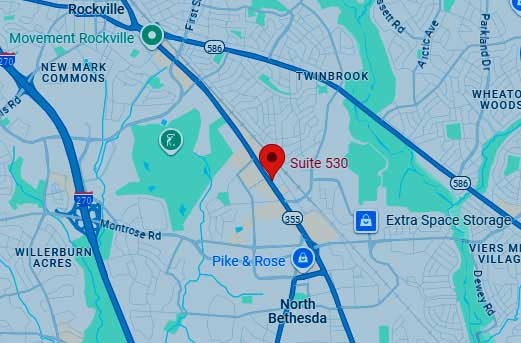
After nearly 25 years of serving residents of Montgomery County at its former Rockville and Pike and Rose locations, I’m proud to announce the opening of Elville and Associates’ new permanent Montgomery County office at 1700 Rockville Pike, Suite 530, Rockville – serving Rockville, Bethesda, Potomac, Gaithersburg, and all of Montgomery County.
Montgomery County is a dynamic setting for business and government, and a diverse population with continuous and growing needs for comprehensive and contemporary estate and other related planning. Montgomery County remains largely underserved in Elder Law, now a burgeoning area of law affecting nearly all individuals and families. Elville and Associates is both proud and privileged to serve this great community and County, and to be a Member of the Bar Association of Montgomery County.
If you are a community leader, nonprofit organizer, financial advisor, CPA, insurance professional, Aging LifeCare Manager, firefighter or police officer, or other collaborative professional; or, if you know someone who is in need of client care-focused, education-based estate planning, elder law planning, special needs planning, or business related planning, we invite you to contact us. We look forward to meeting you as Elville and Associates continues to serve those who make Montgomery County great.
You can reach me, Stephen R. Elville, J.D., LL.M., at 443-393-7696 x108, or at steve@elvilleassociates.com. You can also reach Lillian Hummel, our Principal Attorney at the new Montgomery County office, at 240-583-7990 x201, or at Lilly@elvilleassociates.com. Or, send us a general message here.
Elville and Associates, P.C. – Planning for Life, Planning for Legacies. What’s your Plan? What’s your Legacy?
Deciding Between a Will and Revocable Trust

Authored by: Renee Q. Boyd – Senior Associate Attorney
During the estate planning process and discussions with clients, I am often asked “should I create a Last Will and Testament (Will) or should I create a Revocable Living Trust (Revocable Trust)?”. While both documents are effective estate planning tools to use to indicate who will receive your assets, Wills and Revocable Living Trusts have different and specific benefits.
All estate planning should begin with assessing your current situation, your goals and your needs. After this assessment is complete, the next step is to determine which tool can best help you meet your goals and protect your family. It is not a matter that one tool is better than the other. The decision of whether to use a Will or a Revocable Trust should be based on your goals and other factors such as the size of your estate, the complexity of your distribution wishes, your need for privacy over your assets, your property and your estate planning budget.
Wills:
Wills are simple legal documents that provide instructions of how to distribute property and assets to beneficiaries after your death. Think of a Will as a set of instructions for after you are gone. Wills do not go into effect until after you pass away.
All assets that are transferred to your beneficiaries via a Will must go through the probate process before they are distributed. Probate is a legal process, supervised by a court, in which the Will is first proven to be valid and then accepted into probate. The person you name in your Will to administer your wishes, your Personal Representative, must go to the probate court in the county in which your resided when you died and file the Will for probate. When the Will is accepted into probate and the estate is opened by the court, your Personal Representative must also provide periodic reports on your estate’s administration to the court. All details of your estate, including the property and assets you owned and to whom it was left, become a matter of public record.
The probate process is a court supervised process which can be lengthy and expensive. Legal fees, Personal Representative fees, and other estate administration costs must be paid before assets can be distributed to your beneficiaries. Depending on the state and on the complexity of your circumstances, this process can easily take nine to 24 months to complete, and your assets can’t be distributed to your beneficiaries until it is complete.
It is important to keep in mind, however, that it is only your assets that are to be distributed via your Will that are subject to this probate process. Assets that bypass the probate process are considered non-probate property and are paid directly to the beneficiary or co-owner upon your death. These non-probate assets include:
- Property that is jointly owned, with survivorship rights. When one owner dies, the other owner automatically gets the deceased owner’s interest in the property.
- Property with a named beneficiary. Common examples include life insurance policies, IRAs and 401(k) accounts. Upon the death of the account or policy owner, the assets are paid directly to the beneficiary.
- Other accounts, such as bank accounts, with a payable on death (POD) designation or property, such as vehicles, with a transfer on death (TOD) designation.
- Assets that are either titled in the name of a trust or designate the trust as the beneficiary. Many people set up Revocable Trusts specifically to avoid probate.
Revocable Trusts:
A Revocable Trust is another estate planning tool and can be used as an alternative to a Will. While living trusts can be revocable or irrevocable, Revocable Trusts are the most used type of trust for estate planning purposes because they allow you to maintain control over your trust and make changes to it during your lifetime. Because you maintain control over the assets in a Revocable Trust, these assets are part of your estate.
A Revocable Trust has key benefits not available with a Will which should be considered in determining which tool is the best solution to meet your estate planning goals. These benefits include:
- Revocable Trusts avoid probate. One of the most attractive features of a Revocable Trust it that assets held in it are not subject to the probate process and can be distributed to your beneficiaries, according to your wishes, without court oversight. Your property is distributed according to the terms of your trust and the trust allows the assets to be distributed to the beneficiaries faster than if they were subject to the probate process.
- Revocable Trusts can avoid multiple probate processes if you own real property in more than one state when you die. Ancillary probate is a type of probate proceeding that must occur in addition to the primary probate proceeding, usually as a result of owning property outside of the state in which you resided when you passed away. Ancillary probate becomes necessary because the probate court in the home state does not have legal jurisdiction over the out-of-state property. This is avoided with a Revocable Trust because assets and property owned by the Trust pass directly to the beneficiaries without going through probate.
- Revocable Trusts maintain your privacy. A Revocable Trust is a private document that is not filed with or reported to any supervising authority. It remains confidential during your life and after you die.
- Revocable Trusts maintain control of your assets if you become incapacitated. Unlike Wills that do not become effective until you die, a Revocable Trust is effective immediately upon executing it. If you become incapacitated and are unable to manage and control your property, assets that have been placed in your Revocable Trust will be managed and can be controlled by someone you have previously and purposefully named to serve in that role. This named person can immediately step in and manage your property, without requiring court intervention.
The person who creates the Revocable Trust is the grantor. The Revocable Trust is a legal agreement in which the grantor defines the purpose of the trust, the types of assets that can held in the trust, the duties and responsibilities of the trustee and the beneficiaries who will receive the trust assets when the grantor dies. The trustee is the person who is responsible for the assets in the trust on behalf of your beneficiaries. Because the trust is revocable, the grantor can retain complete control over the trust assets during his or her lifetime, can change beneficiaries, or even revoke the trust entirely. The grantor can appoint him or herself as the trustee or can assign a third party to serve as trustee.
The Revocable Trust is in existence during your lifetime. Once the Revocable Trust is established, the grantor (you) transfers assets and property into the trust, making the trust the owner. This is known as funding the trust. You, however, remain in complete control of the assets and property during your lifetime. And during your lifetime, the Revocable Trust does not require a separate tax identification number or the filing of a separate tax return.
While a Revocable Trust is an estate planning tool that is an alternative to a Will, it is strongly recommended that if you use a Revocable Trust, you also create a Will. This is known as a Pour-Over Will and it works in conjunction with the Trust. This Will covers assets that the grantor did not put into the Revocable Trust before their death, whether by accident or on purpose. The Pour-Over Will directs that these assets go to the Revocable Trust (are “poured over” to the Trust) and be distributed according to the grantor’s intentions contained in the Trust.
Summary:
In summary, it is not a matter that a Will or a Revocable Trust is the better option. It is a matter of which tool will best help you achieve your estate planning goals. First, define what your goals are and what is of most importance to you. Both Wills and Revocable Trusts are excellent tools. The tool that is best for you must consider:
- Your estate planning timeline – how quickly you need put an estate plan in place
- Your estate planning budget
- Your level of assets
- Do you want to keep ownership of your assets and property before you die?
- Level of ease or difficulty in administering your estate after you die
- Privacy concerns
To begin the estate planning process, schedule a no-cost consultation with one of our estate planning attorneys at Elville and Associates. During that meeting, we will work with you to define and understand your goals, answer your questions and create a plan together that best meets your needs and addresses your concerns.
#elvilleeducation

Authored by: Jeffrey D. Stauffer – Community Relations Director
Stephen Elville, Managing Principal and Lead Attorney of Elville and Associates, P.C., has been selected to the 2024 Maryland Super Lawyers List. Each year, no more than five percent of the lawyers in the state are selected by the research team at Super Lawyers to receive this honor. This is Mr. Elville’s ninth year being named to the Maryland Super Lawyers List and eighth consecutive year as well.
Mr. Elville works with individuals and families to provide a unique attorney-client experience and peace of mind solutions to the challenges they face with estate planning, elder law, special needs planning, asset protection, tax planning matters, and more. Mr. Elville has extensive experience in working with clients involved in crisis situations, and also brings a unique and personalized approach to pre-crisis planning. Along with his work in the aforementioned areas, Mr. Elville’s maintains a focus in the areas of asset protection, tax planning, and disability and long-term care planning as well. He is widely regarded as one of the preeminent attorneys in the State of Maryland and beyond for his legal-technical knowledge and ability to navigate many different types of legal matters for clients. He is a seasoned speaker, and each year presents by way of dozens of webinars, workshops for businesses and their employees, conferences, and continuing education events.
Mr. Elville is currently a member of the National Association of Elder Law Attorneys (NAELA), Elder Counsel, Wealth Counsel, the Academy of Special Needs Planners, and the National Network of Estate Planning Attorneys. He is the past Chair of the Howard County Bar Association Estates & Trusts and Elder Law Sections and is the past President of the Coalition of Geriatric Services (COGS). Mr. Elville has also served as Chair of the Elder Law and Disability Rights Section Council of the Maryland State Bar Association and was the longtime Chair for Law Day Maryland.
Currently, Mr. Elville serves as the Chair of the Pro Bono Subcommittee of the Elder Law Disability Rights Section Council. He is also the President of the Friends of Baltimore Classical Music, Inc., and is the Founder of the Elville Center for the Creative Arts, Inc., a non-profit organization developed in 2014 that works to further music education in schools and other organizations that have student musicians with limited means. He is also the Founder and Owner of Elville Studios, LLC.
Shannon Goodwin, a Senior Associate Attorney with Elville and Associates, was named to the Rising Stars List for the first time in 2024. She is the Leader of the firm’s busy Estate and Trust Administration Department, and has quickly shown the scope and depth of her talents and abilities in the complex world of estates and trusts. Through her guidance, she partners with clients as they address the sometimes challenging matters of the administration of loved ones’ estates from start to finish, including helping navigate the probate process, inventory and reportings, accountings, and much more.
After her undergraduate work at North Carolina State University, Ms. Goodwin participated in multiple internships and externships and went on to distinguish herself as a member of the Syracuse Law Review. Upon graduating from law school, Shannon gained valuable experience by working as a Judicial Law Clerk for three years in the Circuit Court for Washington County, as well as in the District Court for both Washington and Frederick Counties. Shannon then transitioned to private practice and joined Elville and Associates in 2021.
Shannon Werbeck, a Senior Associate Attorney with Elville and Associates, was named to the Rising Stars List for a second consecutive year in 2024. She is an integral member and one of Leaders of the firm’s Estate Planning Department. She educates and counsels clients through the entire estate planning process – beginning with the initial consultation, followed by the design and implementation of their plans, as well as the necessary maintenance and updating of their planning as changes occur in the laws and their lives. Ms. Werbeck’s practice focus includes estate planning, elder law, special needs planning, and tax planning.
During law school, Ms. Werbeck participated in the Human Trafficking Prevention Project Clinic where she diligently represented victims of human trafficking as a Rule 19 Student Attorney. Upon obtaining her Juris Doctor, Ms. Werbeck gained valuable experience by working as a Judicial Law Clerk for Magistrates Susan M. Marzetta and Lori Joy Eisner in the Circuit Court for Baltimore City. Prior to settling in at Elville and Associates, Ms. Werbeck worked as an Associate Attorney at a small law firm in Towson, Maryland where she represented clients in Family Law and Criminal Law matters.
Renee Boyd, a Senior Associate Attorney with Elville and Associates, was named to the Rising Stars List for the first time in 2024. Ms. Boyd partners with clients in the firm’s busy Estate Planning Department to address all aspects of estate planning, including the initial drafting of wills, trusts, advance directives, and powers of attorney, as well as the continued revision and updates of those documents as changes occur in the laws and their lives. During the estate planning process she helps educate clients and provide them a comprehensive client experience throughout. Ms. Boyd’s past work as a Certified Financial Planner® enables her to offer a unique perspective in working with clients during the estate planning process and she draws from her experience in helping clients achieve their financial planning goals. Ms. Boyd’s practice focus includes estate planning, elder law, and asset protection.
During law school, Ms. Boyd began her work in law as a Family Law Attorney Extern with the Law Offices of Juliet Fisher. During this experience she developed skills in the areas of client counseling, preparation of motions and briefs, legal research and strategy planning. She then transitioned to the Orphans’ Court of Baltimore County where she worked as a judicial assistant and oversaw the Mediation Program which strived to bring successful resolution to estate administration disputes through discussion rather than litigation. At that same time she also provided research and administrative support to three probate court judges.
Ms. Boyd’s prior professional experience tells a story of successful client relationship and business development in the financial services arena spanning over 20 years. As Director of Strategic Services and the College Savings Plan Business at T. Rowe Price, she oversaw and managed multiple enterprise-wide strategic initiatives designed to enhance growth, profitability, and overall client satisfaction for both internal and external clients. As a Managing Consultant and Program Manager at BridgePoint Group, she planned and led Financial Services clients projects in the area of employee benefits to ensure business goals were achieved. She also fulfilled the roles of coach, motivator and leader as she developed proposals for projects, and performed risk analysis and managed change control.
To learn more about this year’s honorees and the entire team at Elville and Associates, please click here. To learn more about Elville and Associates, its practice areas, its commitment to client education, and events calendar, please visit www.elvilleassociates.com.
Super Lawyers, a Thomson Reuters business, is a rating service of outstanding lawyers from more than 70 practice areas who have attained a high degree of peer recognition and professional achievement. The annual selections are made using a patented multiphase process that includes a statewide survey of lawyers, an independent research evaluation of candidates and peer reviews by practice area. The result is a credible, comprehensive and diverse listing of exceptional attorneys.
The Super Lawyers lists are published nationwide in Super Lawyers Magazines and in leading city and regional magazines and newspapers across the country. Super Lawyers Magazines also feature editorial profiles of attorneys who embody excellence in the practice of law. For more information about Super Lawyers, visit SuperLawyers.com.
#elvilleeducation

Authored by: Jeffrey D. Stauffer – Community Relations Director
Elville and Associates, P.C. is proud to announce and welcome Lillian (Lilly) Hummel as a Principal Attorney with the firm. Lilly will lead the firm’s soon-to-be-established Montgomery County office.
Licensed in Maryland and the District of Columbia, Lilly maintains her practice focus in elder law, estate planning, estate and trust administration, and special needs planning. Lilly counsels individuals and families about eligibility for Medicaid and other programs for seniors and individuals with disabilities; navigating long-term care; and establishing and administering special needs trusts. She also represents clients in guardianship matters.
Lilly is currently the Chair of the Elder Law Section of the Bar Association of Montgomery County and a Council Member of the Elder and Disability Section of the Maryland State Bar Association. She is also a member of the Academy of Special Needs Planners and the National Academy of Elder Law Attorneys.
Reflecting on joining Elville and Associates, Lilly shared, “I’m delighted to join Elville and Associates, and lead the firm’s expanded presence in Montgomery County. Elville and Associates is a leader in estate planning, with a particular focus on elder law and special needs planning. This focus aligns perfectly with my own interest in advising clients on the intersection of estate planning and benefits eligibility.”
With her commitment to clients, vast array of legal knowledge, and innate leadership ability, we could not be more excited for Lilly to join our team here at our expanding firm. Please join us in welcoming Lilly to Elville and Associates!
Lilly can be reached at lilly@elvilleassociates.com, or by phone at 240-583-7990
Connect with us


- October 2026
- August 2026
- July 2026
- June 2026
- May 2026
- April 2026
- March 2026
- February 2026
- January 2026
- December 2025
- November 2025
- October 2025
- September 2025
- August 2025
- July 2025
- June 2025
- May 2025
- April 2025
- March 2025
- February 2025
- January 2025
- September 2024
- August 2024
- July 2024
- May 2024
- April 2024
- March 2024
- February 2024
- January 2024
- December 2023
- November 2023
- October 2023
- September 2023
- August 2023
- July 2023
- June 2023
- May 2023
- March 2023
- February 2023
- January 2023
- December 2022
- November 2022
- October 2022
- September 2022
- August 2022
- July 2022
- June 2022
- May 2022
- April 2022
- March 2022
- February 2022
- January 2022
- December 2021
- November 2021
- October 2021
- September 2021
- August 2021
- July 2021
- June 2021
- May 2021
- April 2021
- March 2021
- February 2021
- January 2021
- December 2020
- November 2020
- October 2020
- September 2020
- August 2020
- July 2020
- June 2020
- May 2020
- April 2020
- March 2020
- February 2020
- January 2020
- December 2019
- November 2019
- October 2019
- September 2019
- August 2019
- July 2019
- June 2019
- May 2019
- April 2019
- February 2019
- November 2018
- May 2018
- April 2018
- January 2018
- June 2017
- March 2017
- December 2016
- November 2016
- September 2016
- August 2016
- July 2016
- June 2016
- May 2016
- April 2016
- March 2016
- February 2016
- January 2016
- December 2015
- November 2015
- October 2015
- September 2015
- August 2015
- June 2015
- May 2015